

India’s precious metals market is witnessing a historic surge as silver prices in India have crossed ₹2.5 lakh per kg, reaching record levels. The sharp rise reflects strong global cues, tight supply conditions, and growing investor interest in silver as both an industrial metal and a safe-haven asset.
The rally has had an immediate impact on investors, jewellers, and industrial users across the country.
What Is Driving Silver Above ₹2.5 Lakh per Kg
The milestone where silver prices in India crossed ₹2.5 lakh per kg is being driven by a combination of global and domestic factors. International silver prices have risen sharply due to supply concerns, rising geopolitical tensions, and increased demand from renewable energy and electronics sectors.
A weaker rupee against the US dollar has further amplified the price rise in the domestic market, pushing silver to all-time highs in India.
Global Supply Tightness and Policy Moves
Recent global developments have tightened silver supply. Export restrictions, reduced mining output in some regions, and strong industrial demand have created a supply-demand imbalance. Silver is a critical input for solar panels, EVs, electronics, and semiconductors, all of which are seeing rapid growth.
These pressures have contributed to sustained upward momentum in silver prices worldwide.
Impact on Investors and Traders
For investors, the fact that silver prices in India crossed ₹2.5 lakh per kg has reinforced silver’s appeal as a hedge against inflation and economic uncertainty. Many investors see silver as a more affordable alternative to gold, with higher upside potential during commodity upcycles.
However, market experts caution that elevated prices could also lead to higher volatility and short-term corrections.
Effect on Jewellery and Industrial Demand
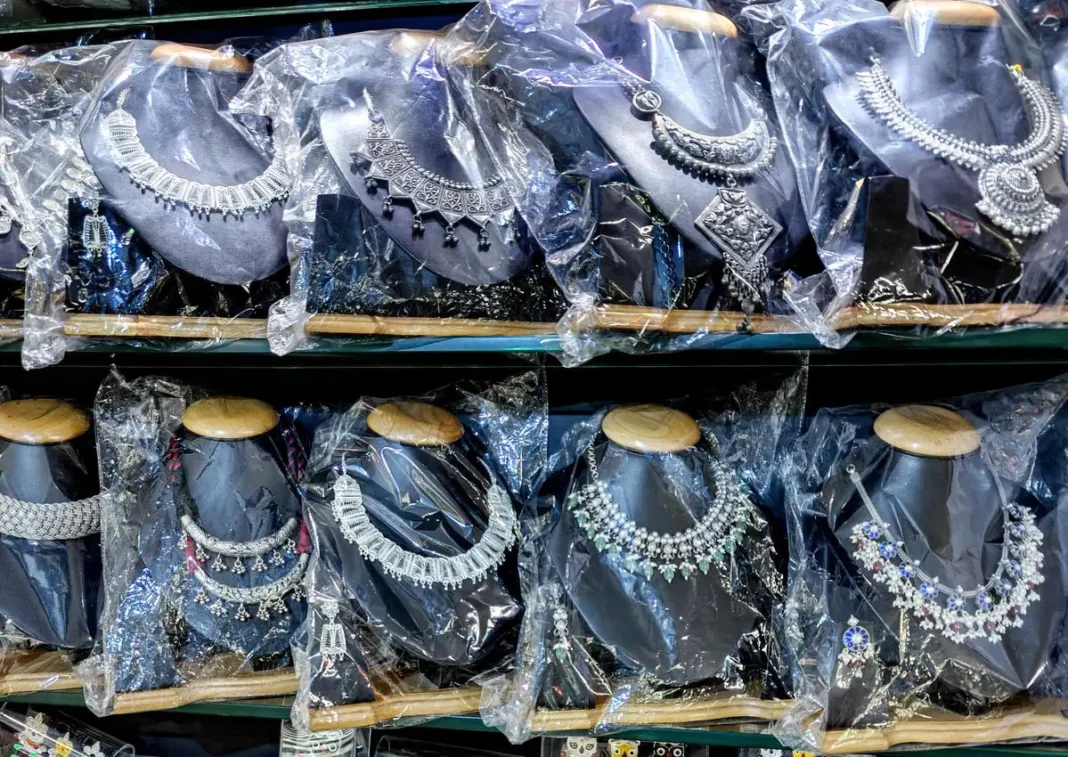
High silver prices may dampen demand from jewellery manufacturers and retail buyers, especially in price-sensitive markets. Artisans and jewellers may shift toward lighter designs or recycled silver to manage costs.
Industrial users, particularly in electronics and solar manufacturing, could face margin pressure as input costs rise.
Comparison With Gold and Other Assets
Silver’s rally has outpaced many other asset classes, narrowing the gold-to-silver ratio. Historically, such moves indicate strong industrial demand alongside investment buying.
The surge suggests that silver is increasingly being viewed not just as a precious metal, but also as a strategic industrial commodity.
Broader Economic Implications
The rise in silver prices could have broader implications for India’s manufacturing and renewable energy sectors. Higher raw material costs may impact project economics, especially for solar installations where silver is a key component.
At the same time, mining and recycling businesses may benefit from improved realizations.
What Lies Ahead for Silver Prices
Analysts believe silver prices may remain elevated as long as global uncertainty persists and industrial demand stays strong. However, any easing of supply constraints or profit-taking by investors could lead to corrections.
Market participants are advised to track global cues, currency movements, and policy developments closely.
Conclusion
The moment when silver prices in India crossed ₹2.5 lakh per kg marks a significant milestone in the country’s commodity markets. The surge highlights silver’s dual role as a precious and industrial metal in a rapidly changing global economy.
While the rally offers opportunities for investors, it also presents challenges for manufacturers and consumers—making silver one of the most closely watched commodities in the months ahead.