

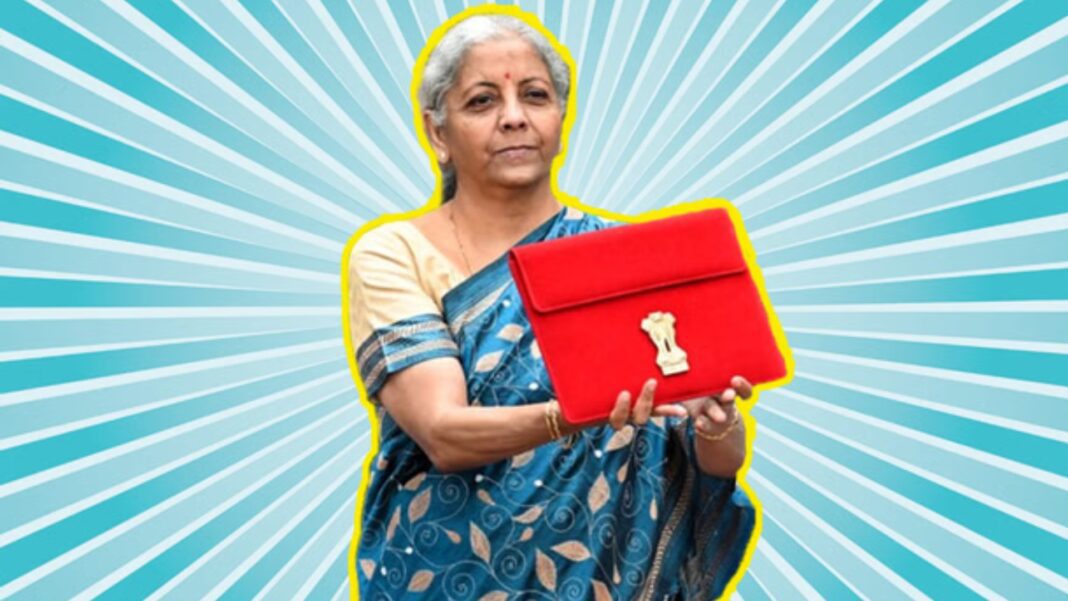
In a significant overhaul aimed at ending tax arbitrage and protecting minority shareholders, Finance Minister Nirmala Sitharaman announced a major change to share buyback taxation in the Union Budget 2026 on February 1, 2026.
The new policy reverts the tax treatment of buybacks from “deemed dividends” to Capital Gains for all shareholders. However, to prevent promoters from using buybacks as a tax-efficient way to extract cash, the government has introduced a specific Additional Buyback Tax for promoters.
1. The Promoter “Tax Arbitrage” Crackdown
The primary reason for this change was the government’s observation that promoters were frequently using the buyback route to avoid higher dividend taxes.
- The Loophole: Promoters often used buybacks to return capital to themselves while enjoying the tax benefits of a capital transaction rather than a profit distribution.
- The New Penalty: While retail investors will now pay standard Capital Gains tax (12.5% for Long-Term), promoters must pay a higher effective rate to discourage “promoter-driven” buybacks.
| Promoter Type | Effective Tax Rate (Budget 2026) |
| Corporate Promoters | 22% |
| Non-Corporate Promoters | 30% (plus applicable surcharge) |
2. Relief for Minority Shareholders
For the average retail investor, the 2026 Budget move is a major win. It restores the “true character” of a buyback as a capital transaction.
- Lower Tax Rate: Shares held for more than 12 months (LTCG) and tendered in a buyback will now be taxed at 12.5%, significantly lower than the individual income tax slab rates (which can go up to 30%+) that applied under the previous “deemed dividend” rules.
- End of the “Phantom Loss” Trap: Under the old rules (Oct 2024 – Jan 2026), the acquisition cost of shares could not be set off against the buyback “dividend” income, creating a tax disadvantage. The new Capital Gains classification allows investors to deduct their cost of acquisition, ensuring they only pay tax on the actual profit.
3. Impact on Corporate Strategy
Financial analysts expect a sharp shift in how Indian companies reward their shareholders following this announcement:
- Fewer Promoter Buybacks: Companies with high promoter shareholding are likely to reduce the frequency of buybacks due to the 22%–30% tax hit.
- Dividend Resurgence: Some firms may pivot back to dividends if the effective tax for their specific promoter group is comparable, though the new Capital Gains rules still favor retail investors.
- Governance Improvement: Experts suggest this move will incentivize companies to use their cash for productive business expansion rather than just “return-of-capital” schemes designed for tax efficiency.
4. Comparison: Old vs. New Buyback Rules
| Feature | Previous Rule (Oct 2024 – Jan 2026) | New Rule (Budget 2026) |
| Tax Head | Deemed Dividend | Capital Gains |
| Retail Tax Rate | As per Income Tax Slab | 12.5% (LTCG) |
| Promoter Tax Rate | As per Income Tax Slab | 22% or 30% (Effective) |
| Cost Deduction | Not Allowed | Allowed |
Conclusion: A Fairer Market Play
By introducing the additional tax for promoters while lowering the burden for minority shareholders, the 2026 Budget has balanced the scales. The move ensures that buybacks are used for their intended purpose—correcting undervalued stock or optimizing capital structure—rather than as a tool for tax-free cash extraction by company founders. For the retail investor, this marks the end of an era where they were penalized for a company’s decision to buy back its own shares.