

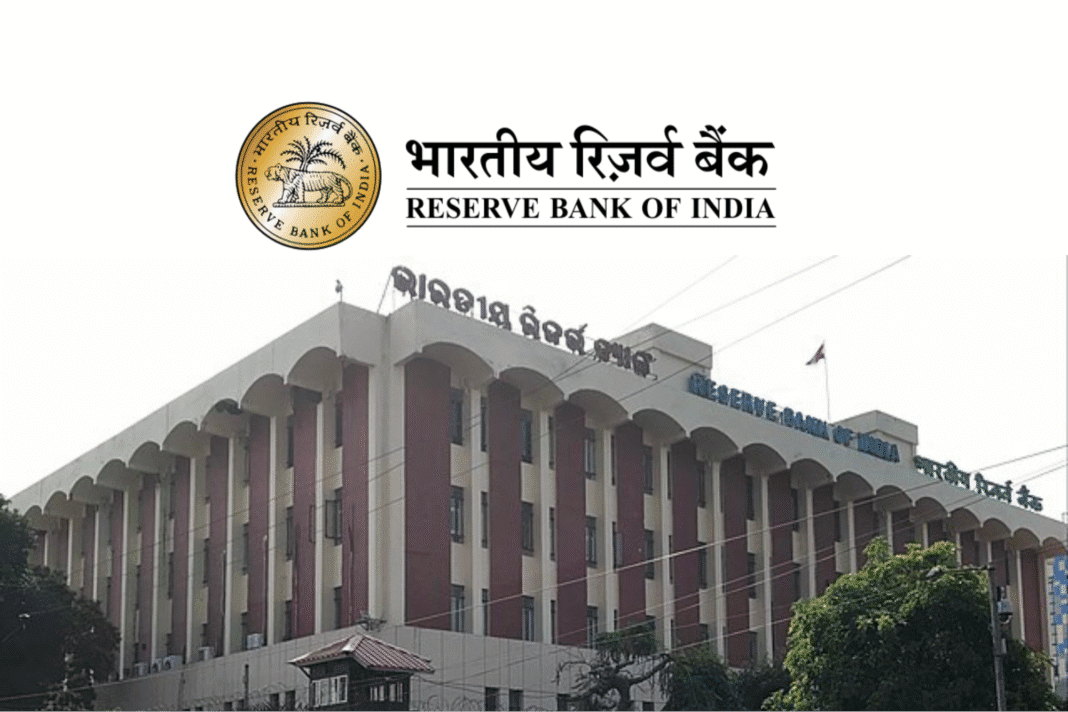
RBI rolls out ₹2.90 lakh cr liquidity plan, aiming to ensure adequate cash availability in the financial system and maintain stability amid evolving economic conditions. The move signals the central bank’s proactive approach to managing liquidity as credit demand, government spending, and market conditions fluctuate.
The announcement that RBI rolls out ₹2.90 lakh cr liquidity plan has drawn close attention from banks, bond markets, and policymakers.
What the ₹2.90 Lakh Crore Liquidity Plan Involves
The liquidity plan has been introduced by the Reserve Bank of India as part of its ongoing liquidity management operations. The central bank will inject funds into the banking system through a combination of tools such as variable rate repo operations, open market operations, and other short-term liquidity facilities.
The objective is to prevent tight liquidity conditions while ensuring smooth transmission of monetary policy.
Why RBI Introduced the Liquidity Plan Now
The decision comes at a time when banking system liquidity has shown signs of tightening due to factors such as advance tax outflows, government cash balances, and higher credit growth. Seasonal pressures often lead to short-term liquidity mismatches, which the RBI aims to address through calibrated interventions.
By acting early, the central bank is seeking to avoid volatility in money markets and keep borrowing costs stable.
Impact on Banks and Financial Markets
As RBI rolls out ₹2.90 lakh cr liquidity plan, banks are expected to benefit from easier access to short-term funds, helping them meet credit demand without aggressively raising deposit rates. Improved liquidity conditions can also support smoother functioning of bond and money markets.
Market participants generally view such measures as supportive for financial stability and investor confidence.
Link With Monetary Policy Stance
While the liquidity plan does not signal a change in interest rate policy, it complements the RBI’s broader monetary stance. Liquidity management allows the central bank to fine-tune conditions without altering benchmark rates.
This separation of rate policy and liquidity tools gives the RBI greater flexibility in responding to evolving economic signals.
What It Means for Borrowers and the Economy
For borrowers, adequate system liquidity helps ensure that lending rates remain stable and credit flows smoothly to businesses and consumers. This is particularly important for sectors dependent on bank financing, such as small businesses and infrastructure projects.
The fact that RBI rolls out ₹2.90 lakh cr liquidity plan suggests the central bank is focused on sustaining economic momentum while guarding against financial stress.
How Long the Measures May Continue
Liquidity operations are typically dynamic and adjusted based on real-time conditions. The RBI may scale up, extend, or withdraw support depending on how liquidity evolves in the coming weeks.
Analysts will watch banking system liquidity data closely to assess whether further interventions are needed.
Broader Signal to Markets
The move reinforces the RBI’s role as an active manager of financial system stability. By ensuring sufficient liquidity, the central bank is sending a signal that it remains vigilant and ready to act if market conditions tighten unexpectedly.
As RBI rolls out ₹2.90 lakh cr liquidity plan, it also reassures investors and institutions about policy continuity and responsiveness.
Conclusion
The announcement that RBI rolls out ₹2.90 lakh cr liquidity plan highlights the central bank’s commitment to maintaining orderly financial conditions. Through timely liquidity injections, the RBI aims to support banks, stabilise markets, and ensure uninterrupted credit flow to the economy.
In the weeks ahead, the effectiveness of the plan will be reflected in money market stability, borrowing costs, and overall financial system confidence.