
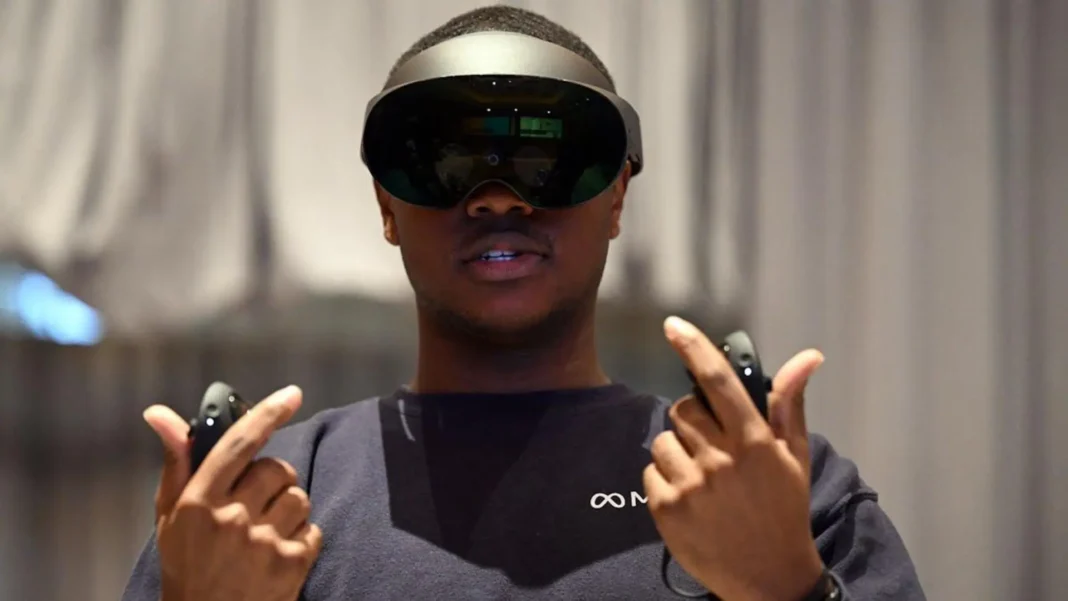
Meta’s next-generation mixed reality headset, codenamed Phoenix, has reportedly been pushed back to 2027. The delay marks a significant shift in Meta’s hardware roadmap as the company struggles with technical challenges, supply chain issues, and increased competition in the AR/VR market.
Why Meta Phoenix Glasses Are Delayed
According to reports, the Meta Phoenix glasses delayed 2027 timeline is linked to:
- Hardware complexity in designing lightweight mixed reality glasses
- Difficulties integrating advanced optics and processors
- Manufacturing setbacks from global suppliers
- Meta’s internal restructuring and shifting priorities
The Phoenix project was expected to be Meta’s breakthrough product, bringing AR and VR closer to mainstream consumer adoption.
What Makes the Phoenix Glasses Important
The Phoenix headset was designed to offer:
- Full mixed reality support
- Ultra-lightweight build
- High-fidelity passthrough
- Advanced hand and eye tracking
- AI-powered spatial interactions
These capabilities would position Phoenix as a successor to Meta Quest devices—potentially competing with Apple Vision Pro and emerging MR headsets.
Impact of the Delay
The Meta Phoenix glasses delayed 2027 shift affects:
- Meta’s long-term AR/VR roadmap
- Developer and partner timelines
- Consumer expectations for next-generation mixed reality devices
It also gives competitors more time to strengthen their position in the market.
How the Market Is Reacting
Analysts believe the delay may:
- Slow down broader MR adoption
- Affect Meta’s Reality Labs performance
- Lead to increased focus on software-based mixed reality instead of hardware
However, some argue the delay could help Meta refine the technology and avoid product failures.
Meta’s AR/VR Strategy Moving Forward
Meta is still expected to:
- Continue updates to Meta Quest headsets
- Release incremental MR features
- Invest in AR research through Reality Labs
- Build AI-powered spatial computing tools
Despite the delay, Meta remains committed to leading the future of immersive computing.
Conclusion
The Meta Phoenix glasses delayed 2027 news is a setback for the company’s mixed reality ambitions. But with the technology still evolving, Meta may use the extra time to perfect the hardware and deliver a more polished product.