
In a move that signals growing fiscal pressure on India’s energy sector, Indian Oil Corporation (IOCL) has implemented a steep 25% hike in the price of industrial (bulk) diesel. Effective from March 20, 2026, the price of diesel sold directly to large-scale consumers has jumped by approximately ₹22 per litre, reaching ₹109.59 in the national capital.
Targeting the “Bulk” Segment
The price revision is strategically limited to the bulk procurement channel, which accounts for roughly 12% of India’s total diesel sales. By isolating this segment, the government and OMCs are attempting to protect retail consumers while passing on record-high landing costs to commercial entities.
- Impacted Consumers: This hike directly hits factories, power plants, mining companies, construction sites, and telecom tower operators that source fuel in bulk.
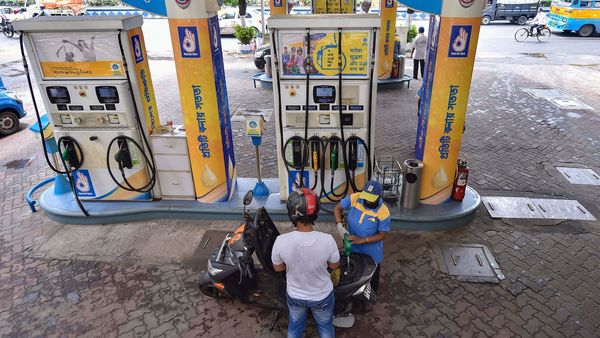
- The “Retail Freeze” Continues: Crucially, prices for regular diesel at retail petrol pumps remain unchanged at ₹87.67 in Delhi. This creates a rare situation where industrial diesel is now significantly more expensive than the fuel available to the general public.
- The Diversion Risk: Industry experts have warned that such a wide price gap (nearly ₹22) may lead bulk buyers to “divert” to retail pumps to save costs, potentially causing localized fuel shortages or logistical strain at public stations.
Price Revision Across Major Metros
While Delhi serves as the benchmark, the hike has been felt across all major Indian hubs:
| City | Old Industrial Price | New Industrial Price (March 20) | Actual Increase |
| Delhi | ₹87.67 | ₹109.59 | +₹21.92 |
| Mumbai | ₹90.39 | ₹113.11 | +₹22.72 |
| Kolkata | ₹92.30 | ₹114.27 | +₹21.97 |
| Chennai | ₹92.54 | ₹113.38 | +₹20.84 |
Why the 25% Jump?
The primary catalyst is the escalating US-Israel-Iran conflict, which has sent shockwaves through global energy markets.
- Crude at $119: Brent crude benchmarks touched a high of $119 per barrel on Thursday, March 19, before stabilizing near $108 on Friday. For a country that imports 88% of its crude, these levels are unsustainable at current retail price points.
- Strait of Hormuz Blockade: With nearly 20% of global oil transit under threat or slowed due to the conflict, the “war risk” premiums on oil tankers have made the cost of importing fuel exponentially higher.
- OMC Margins: Even with this ₹22 hike, oil marketing companies are reportedly still losing about ₹10 per litre on industrial diesel based on current international rates. For regular retail diesel, the under-recovery is estimated to be as high as ₹32 per litre.
Macroeconomic Fallout: The Inflation Threat
The 25% spike in industrial fuel is expected to have a “ripple effect” across the Indian economy. Since diesel is a primary input for logistics and manufacturing, the hike is likely to lead to:
- Higher Logistics Costs: Impacting the price of transported goods and raw materials.
- Increased Manufacturing Expenses: Potentially forcing factories to raise prices for finished products.
- Wider Inflation: Analysts suggest this move could push Wholesale Price Index (WPI) inflation higher in the April–May 2026 period.
“The government does not regulate petrol and diesel prices,” clarified Sujata Sharma, Joint Secretary, Ministry of Petroleum and Natural Gas. “This is a corporate call by OMCs to manage their working capital amid extreme international volatility.”