
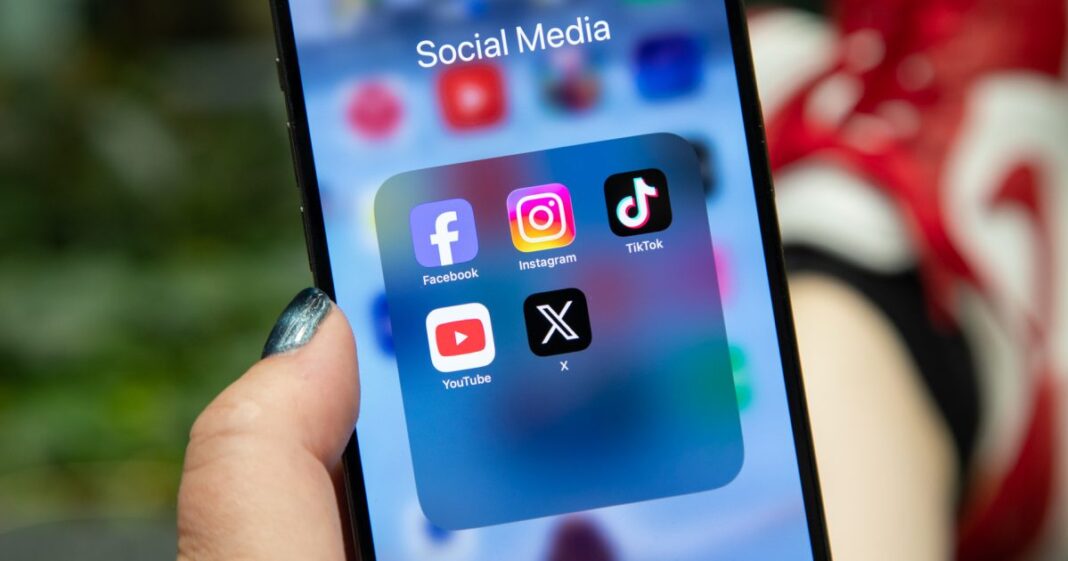
In early February 2026, the Indian government significantly escalated its focus on child safety online, officially announcing that it will examine proposals for a nationwide social media ban for children under 16.
This move follows a global trend—most notably Australia’s historic under-16 ban passed in late 2025—and is driven by mounting concerns over “digital addiction” and the mental health of India’s youth.
1. The Federal Stance: “IT Ministry to Take a Call”
On February 5, 2026, IT Secretary S. Krishnan confirmed that the Ministry of Electronics and Information Technology (MeitY) will examine all views on age-based access limits.
- The Economic Survey Influence: The discussion was ignited by the Economic Survey 2025-26, which flagged digital addiction as a serious public health concern. The survey recommended making platforms responsible for enforcing age verification and proposed “simpler devices” for educational use.
- Chief Economic Adviser’s Push: V. Anantha Nageswaran explicitly called for policies on age-based access limits, citing the vulnerability of younger users to “compulsive use and harmful content.”
2. State-Level Momentum
While the federal government deliberates, several Indian states are already moving toward local restrictions:
- Andhra Pradesh: IT Minister Nara Lokesh has formed a Group of Ministers (GoM) to study Australia’s model. The state has invited Meta, Google, and X for discussions on implementing safer digital platforms.
- Goa: IT Minister Rohan Khaunte stated the department is reviewing the feasibility of a similar ban to protect children from online harms.
- Maharashtra: State IT Minister Ashish Shelar has directed the formation of a multi-disciplinary task force (including psychiatrists and legal experts) to recommend age-based limits.
- Karnataka: The state has previously voiced support for restrictions, with the Karnataka High Court even suggesting a potential age limit as high as 21 for social media access.
3. The “Social Media Age Restrictions” Bill
A significant legislative catalyst is a Private Member’s Bill titled the Social Media (Age Restrictions and Online Safety) Bill, planned for introduction by MP Lavu Sri Krishna Devarayalu (a key ally in the ruling coalition).
- The Mandate: The bill proposes that no child under 16 should be permitted to “create, maintain, or hold” a social media account.
- Liability: The entire onus of age verification would rest on tech companies.
- Stiff Penalties: Non-compliance could result in fines up to ₹250 crore ($28 million) or 5% of global revenue, mirroring the strict penalties in India’s Data Protection Act.
4. Challenges to Implementation
Despite the political will, experts highlight major hurdles:
- Enforcement & Privacy: Verifying the age of millions of users without compromising privacy or requiring sensitive IDs (like Aadhaar) remains a technical challenge.
- The “Grey Market”: Critics warn that bans might push teens toward unregulated, less safe “dark” corners of the web rather than stopping usage.
- Economic Impact: With India being the world’s largest market for Meta (Instagram/Facebook) and Snapchat, a ban would significantly disrupt the “creator economy” and digital ad growth.
Conclusion: A Shift in Digital Policy
India’s current stance is no longer “if” children should be protected, but “how.” While the Digital Personal Data Protection (DPDP) Act already requires parental consent for those under 18, the current debate moves toward a hard floor where access is denied entirely for those under 16.