

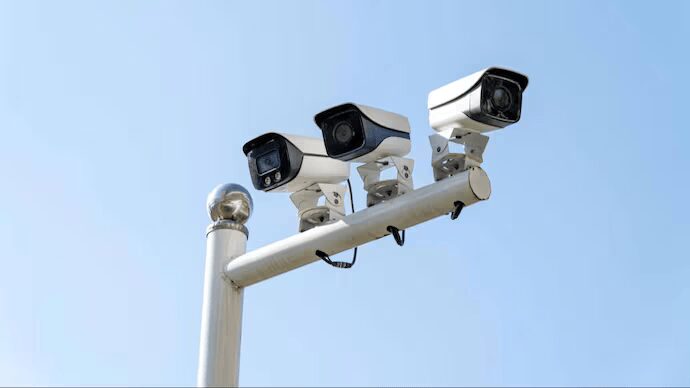
Starting tomorrow, April 1, 2026, the Indian government is enforcing a de facto ban on major Chinese CCTV brands, including global leaders Hikvision and Dahua. The move is the culmination of a two-year transition period under the Standardisation Testing and Quality Certification (STQC) framework, aimed at securing India’s surveillance infrastructure against remote access and data sovereignty risks.
While the rules apply to all internet-connected cameras, Chinese firms have been effectively “locked out” as the government has reportedly refused to certify any hardware utilizing Chinese-origin chipsets or firmware.
1. The New Certification Regime: “No STQC, No Sales”
As of April 1, it is illegal to sell any internet-connected CCTV camera in India that does not carry the mandatory STQC security clearance.
- Targeting the “Brain”: The Ministry of Electronics and Information Technology (MeitY) now requires a full declaration of the System-on-Chip (SoC) origin. Authorities are denying certification to products using Chinese chipsets (like HiSilicon) due to national security vulnerabilities.
- Cybersecurity Testing: Beyond hardware, cameras are now tested for encryption standards, anti-tampering measures, and “backdoor” vulnerabilities that could allow unauthorized remote access.
- Public Procurement: This ban follows a March 25 directive that strictly prohibits all government departments and critical infrastructure projects from buying non-certified equipment.
2. Market Impact: The Exit of Giants
The regulation has already triggered a massive shift in the ₹15,000 crore Indian surveillance market.
| Company | Impact Status (as of March 2026) |
| Hikvision | Effectively Barred. A factory capable of 2 million units/month was denied certification; the company is exploring local JVs to survive. |
| Dahua | 80% Business Contraction. Now restricted to selling “obsolete” analog cameras that don’t fall under the “connected” rules. |
| Xiaomi / Realme | Market Exit. Both brands have reportedly withdrawn from the smart home camera segment due to compliance complexities. |
| TP-Link | Facing Immediate Halt. Expected to stop selling connected models on April 1 unless a last-minute certification is granted. |
Export to Sheets
3. Domestic Brands Surge to 80% Share
Indian companies have rapidly filled the vacuum by shifting their supply chains away from China to Taiwanese and U.S. chipsets.
- Market Leaders: CP Plus now commands nearly 50% of the market, followed by Qubo (Hero Group), Prama, Matrix, and Sparsh.
- Supply Chain Pivot: These brands have localized their firmware and “hardened” their software to meet the new STQC norms.
- Premium Players: High-end enterprise setups continue to be dominated by Western giants like Bosch and Honeywell, who already meet the stringent security criteria.
4. What This Means for You
If you are planning to install or currently own a CCTV system, here is how the April 1 deadline affects you:
- Retail Availability: Starting tomorrow, you will see a disappearance of non-compliant Chinese models from e-commerce sites like Amazon and Flipkart, as well as local electronic markets.
- Price Hike: Analysts warn of a 15% to 20% increase in prices for new systems. Non-Chinese chipsets (from firms like Ambarella or Novatek) are significantly more expensive than the Chinese components they are replacing.
- Existing Users: Your current cameras will not be “seized,” but you may find it harder to get official firmware updates or technical support if the brand exits the Indian market.
- Security Check: If buying a new camera, look for the STQC Certified logo to ensure the device meets the new national security standards.