
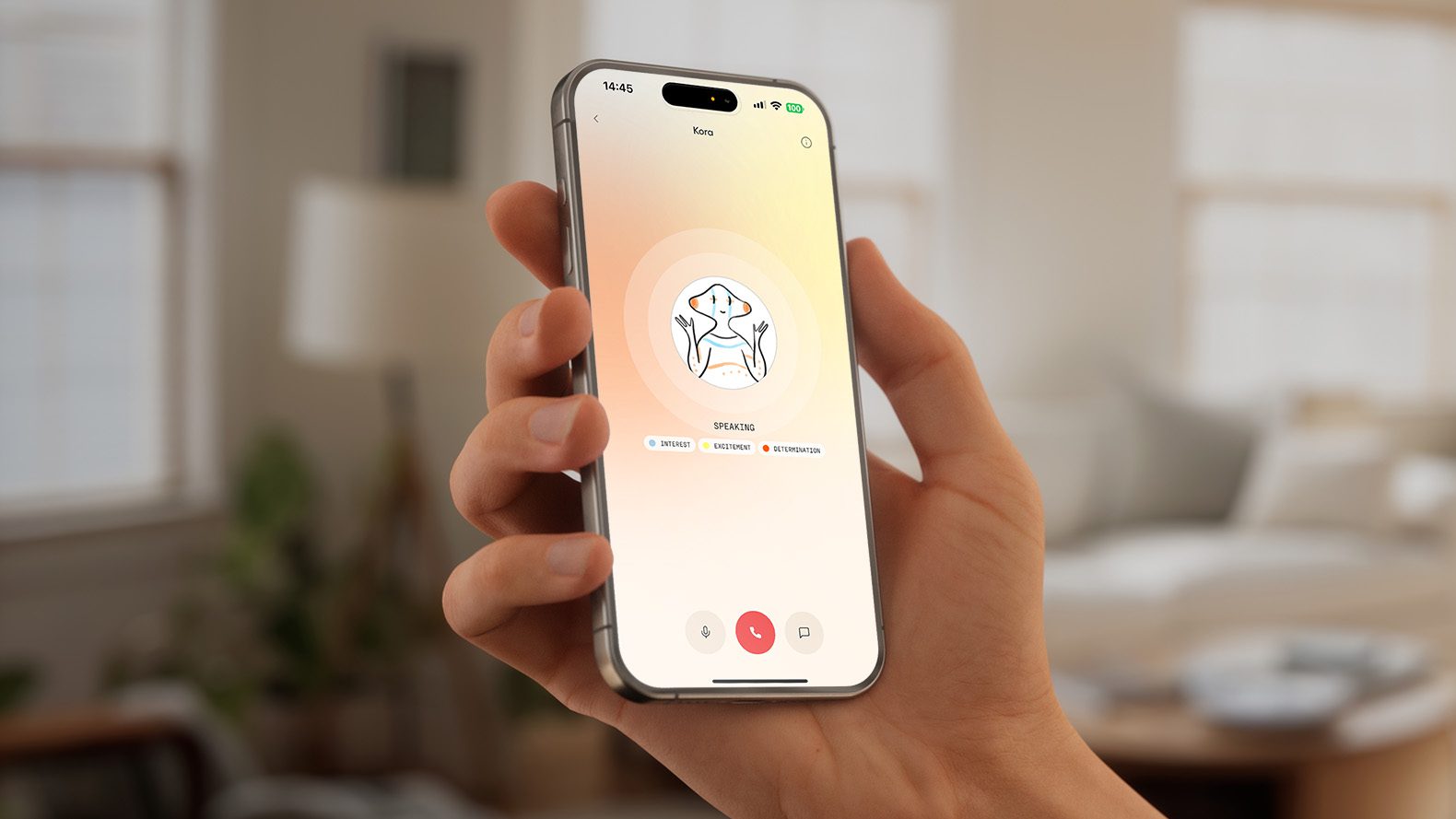
Hume AI, famous for its Empathetic Voice Interface (EVI), specialized in “vocal prosody”—the ability for an AI to understand not just what you say, but how you say it (tone, rhythm, and timbre).
The Deal at a Glance
- The Talent: Hume AI CEO Alan Cowen (a former Google researcher with a PhD in psychology) and approximately seven senior engineers are joining Google DeepMind.
- The Tech: Google has secured a non-exclusive license to Hume’s proprietary emotional data and measurement tools to integrate into Gemini Live.
- The Company: Hume AI will remain an independent entity under new CEO Andrew Ettinger (formerly of Appen). It will continue to serve existing enterprise clients and is projected to hit $100 million in revenue for 2026.
Strategic Impact: Gemini vs. ChatGPT Voice
The hire is a direct response to OpenAI’s “Advanced Voice Mode,” which set a high bar for lifelike AI conversation in late 2024.
| Feature | Google (with Hume Talent) | OpenAI (ChatGPT Voice) |
| Emotion Detection | Uses 200+ nuanced emotional vocal cues | High-quality but broader emotional range |
| Response Style | Adapts tone to speaker’s distress or joy | Naturalistic “human-like” personality |
| Primary Goal | “Helpful Empathy” (e.g., counseling, care) | Conversational fluidity & speed |
| Deployment | Gemini Live, Android, & Siri (via Apple Deal) | ChatGPT Plus/Pro App |
The “Siri” Connection
The timing is critical for Google’s partnership with Apple. As Gemini begins to power the revamped Siri in 2026, Apple reportedly requested “best-in-class” emotional intelligence to ensure Siri doesn’t sound robotic. Hume’s expertise in preventing “uncanny valley” interactions is seen as the final piece of that puzzle.
Regulatory “Stealth” Mode
This deal follows a growing 2026 trend where tech giants hire a startup’s entire team without buying the shell company.
- FTC Scrutiny: The Federal Trade Commission (FTC) has signaled it is investigating these “talent-plus-license” arrangements as de facto mergers.
- Precedent: Microsoft used a similar tactic with Inflection AI in 2024, and Google previously absorbed the team behind the coding startup Windsurf in 2025.
Conclusion: Voice is the New Screen
By bringing in Cowen and his team, Google is betting that the winner of the AI race won’t just be the smartest model, but the one that feels the most human. If Google can successfully blend Hume’s “emotional ear” with Gemini’s reasoning, the 2026 version of Google Assistant may finally be able to tell when you’re frustrated, tired, or in need of a joke—making the interface virtually indistinguishable from a human companion.