

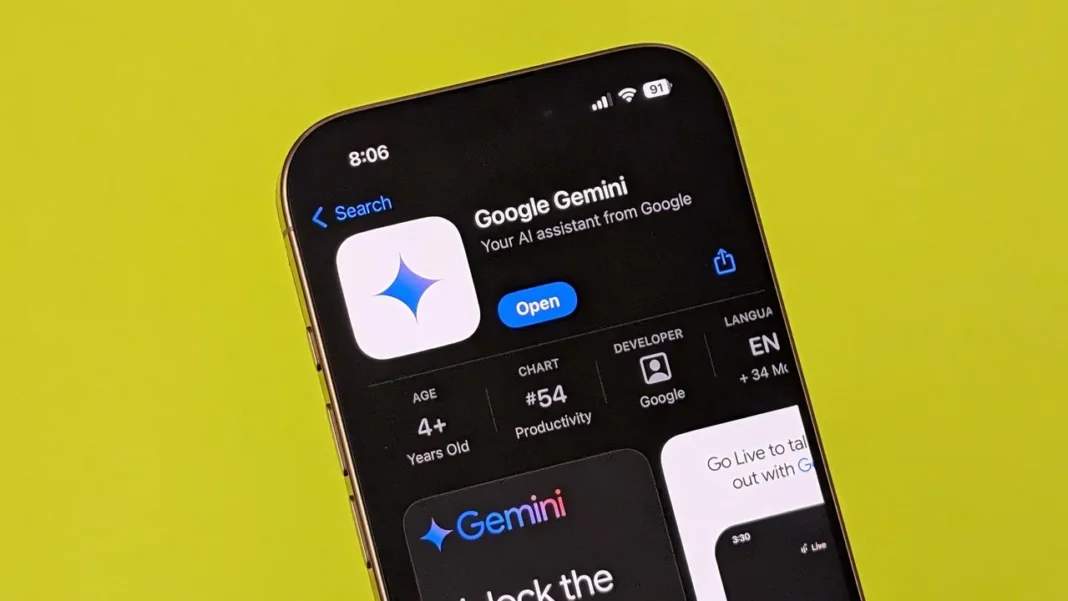
Google’s artificial intelligence platform is seeing explosive adoption as Gemini AI traffic surged from 5.4% to 18.2%, marking a dramatic jump in user engagement within a short period. The surge highlights how quickly users are embracing AI-powered answers and conversational search, accelerating a shift away from traditional search-only behaviour.
The growth positions Gemini as a serious contender in the rapidly intensifying AI assistant and search augmentation space.
What the Gemini AI Traffic Surge Indicates
The rise where Gemini AI traffic jumped from 5.4% to 18.2% reflects a near threefold increase in usage share. This means a significantly larger portion of users are now relying on Gemini-powered responses for queries, research, summaries, and task assistance.
Such a sharp increase suggests that AI-driven interfaces are no longer experimental features but are becoming mainstream tools for everyday information needs.
Why Users Are Turning to Gemini AI
Several factors are driving the rapid growth in Gemini usage. Deeper integration into Google’s ecosystem, including Search, Android, and Workspace tools, has made Gemini more visible and easier to access. Users are increasingly drawn to faster, more contextual answers instead of scrolling through multiple search results.
Improved response quality, multimodal capabilities, and real-time assistance have also contributed to higher engagement levels.
Google’s Strategy Behind Gemini’s Expansion
Google has been aggressively embedding Gemini across its products to retain leadership in the age of generative AI. Rather than positioning Gemini as a standalone chatbot, Google is weaving it directly into how users search, write emails, analyse data, and plan tasks.
This strategy helps Google defend its core search business while adapting to changing user expectations shaped by conversational AI.
Impact on Traditional Search Traffic
The fact that Gemini AI traffic surged from 5.4% to 18.2% also signals a structural shift in how information is consumed. As AI-generated answers satisfy queries instantly, fewer users may click through to traditional websites for basic information.
This trend raises important questions for publishers, marketers, and SEO professionals about visibility, traffic distribution, and content discovery in an AI-first environment.
Competitive Pressure in the AI Assistant Market
The traffic growth puts Gemini in a stronger position against rival AI platforms. As usage scales rapidly, user feedback and data help refine responses, creating a feedback loop that further improves performance and adoption.
The AI assistant space is quickly becoming a battleground for daily user attention, and traffic share is emerging as a key metric of dominance.
What This Means for Businesses and Creators
For businesses, the rise of Gemini AI means adapting content strategies to ensure visibility within AI-generated responses. Structured data, authoritative content, and clear brand signals are becoming increasingly important as AI systems decide which sources to reference or summarise.
Creators and publishers may need to rethink how value is delivered when AI becomes the first point of interaction.
Sustainability of the Traffic Growth
While the jump from 5.4% to 18.2% is striking, analysts note that growth rates may stabilise as adoption matures. Long-term usage will depend on trust, accuracy, and how well Gemini handles complex, real-world tasks without errors.
Regulatory scrutiny and user privacy concerns could also influence how aggressively AI features are rolled out.
Broader Implications for the Internet
The rapid rise in Gemini traffic underscores a broader transformation of the internet itself. AI is increasingly acting as an intermediary between users and information, reshaping discovery, advertising, and content economics.
This shift could redefine how platforms measure success, moving from page views and clicks to engagement within AI ecosystems.
Conclusion
The development that Gemini AI traffic surged from 5.4% to 18.2% marks a pivotal moment in the evolution of search and digital interaction. It shows that users are rapidly embracing AI-driven experiences as a primary way to access information.
As Gemini’s footprint grows, its impact will extend far beyond Google—reshaping SEO, content strategy, and the future structure of the web itself.