
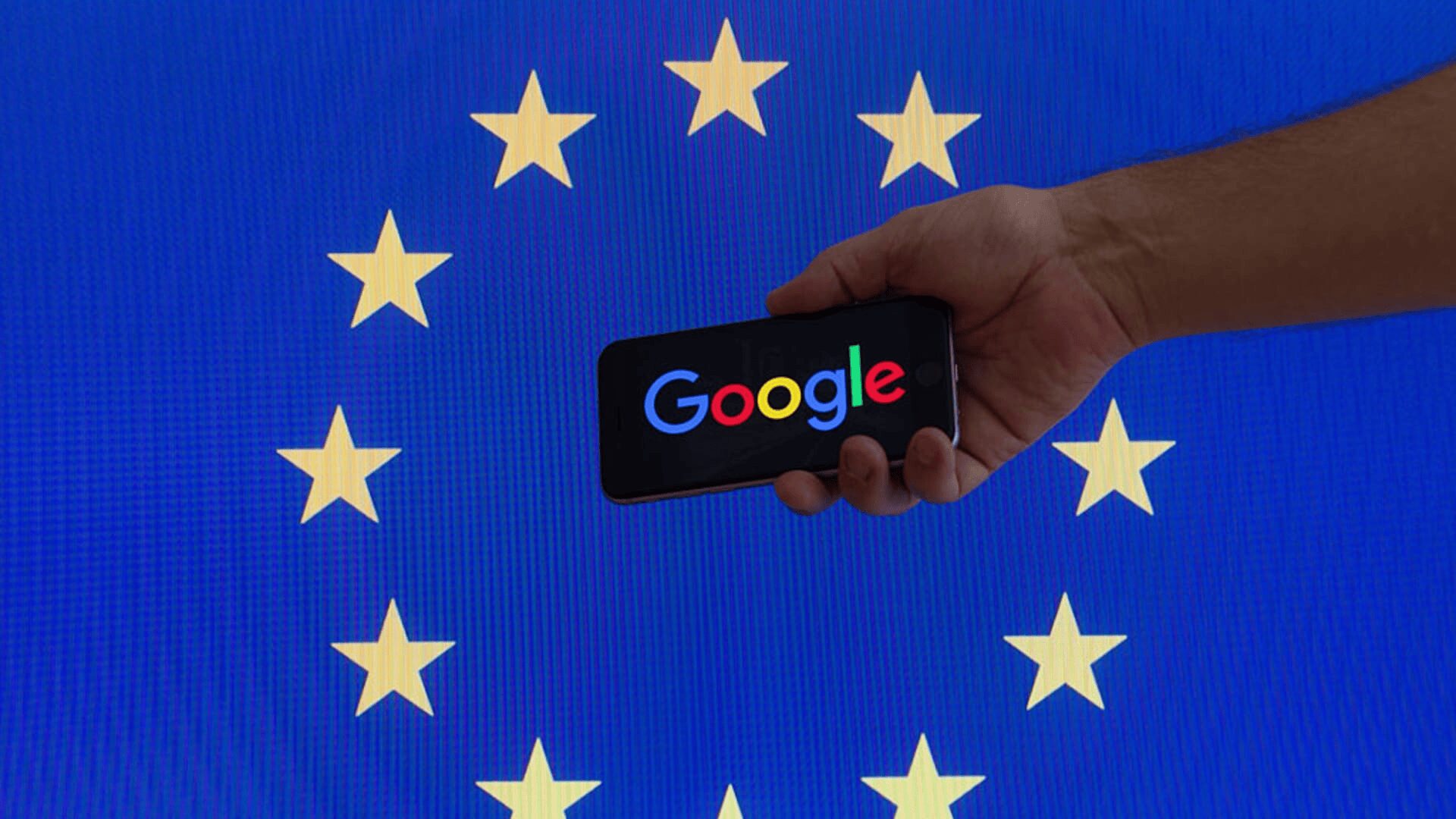
On December 9, 2025, the European Commission formally opened an antitrust investigation against Google. Regulators are investigating whether Google’s use of web-publishers’ content — including online articles and videos on YouTube — to power its AI-driven features such as AI Overviews and AI Mode violates EU competition law.
The probe centers on concerns that Google may be granting itself privileged access to online content while denying fair compensation or opt-out options to publishers and content creators.
🔍 What exactly is under scrutiny
Key focus areas of the investigation:
- Whether Google used publishers’ articles and YouTube videos for training its AI models and powering AI search summaries without adequate compensation or consent.
- If this gives Google an unfair competitive edge over rival AI developers who lack such privileged data access — potentially distorting the AI-search and content-discovery market.
- The effect on traffic to third-party websites and news publishers — as AI-generated summaries may reduce click-throughs and hurt ad-based revenues for original content creators. 9to5Google
EU regulators say they want to ensure a level playing field, where publishers and AI-firms both receive fair terms, and no company uses dominance to stifle competition.
⚠️ Why this matters — Risks & industry implications
For publishers and content creators
If the probe finds Google guilty, it could force the company to compensate publishers and creators for use of their content — potentially establishing a global precedent for AI-content licensing. This could restore revenue opportunities lost due to AI-driven content summarization and deter models from exploiting content without permission.
For Google & Big Tech
A guilty verdict could lead to heavy fines (up to 10% of global annual revenue), changes to how Google powers its AI search tools, and possibly major shifts in its business model in Europe.
It may also force Google to offer opt-out mechanisms for publishers and creators or redesign how its AI models access content — limiting its privileged access and leveling the playing field for rivals.
For AI & search industry globally
The investigation may set a precedent: content-use by AI models will likely be more regulated. Other jurisdictions could follow Europe’s lead, influencing how AI is developed, trained and deployed worldwide. It may encourage AI firms to negotiate content-licensing deals rather than rely on free scraping — changing the economics of AI development.
For internet users and content diversity
If the probe leads to fair compensation frameworks and transparent AI-content sourcing, it may help sustain content diversity, support creative industries, and ensure ethical AI practices. On the downside, stricter regulation may slow down innovation or limit free access to AI-powered features.
📅 What to watch — Next steps and possible timeline
- Google will be asked to respond to the Commission’s concerns. The investigation may take months or longer, given the complexity of AI-content sourcing and licensing issues.
- Regulators may seek input from publishers, news organisations, YouTube creators, and competitor AI firms to assess the full impact — which could broaden the scope of the probe.
- Potential outcomes include fines, mandatory compensation to creators, requirement for opt-out mechanisms, or structural changes to how Google offers AI-search features in the EU.
- The case could influence global regulatory trends — prompting similar probes or legislation in other countries focused on AI-content usage, copyright and competition.
🧠 Final thought
By launching an antitrust probe into Google’s AI search tools, the European Commission is signaling that even powerful tech giants must respect competition, content-creator rights, and fair market practices — especially in the age of generative AI. This could mark a turning point: from unregulated AI-driven content scraping to a future where AI must coexist with fair licensing, transparency, and respect for creators.