
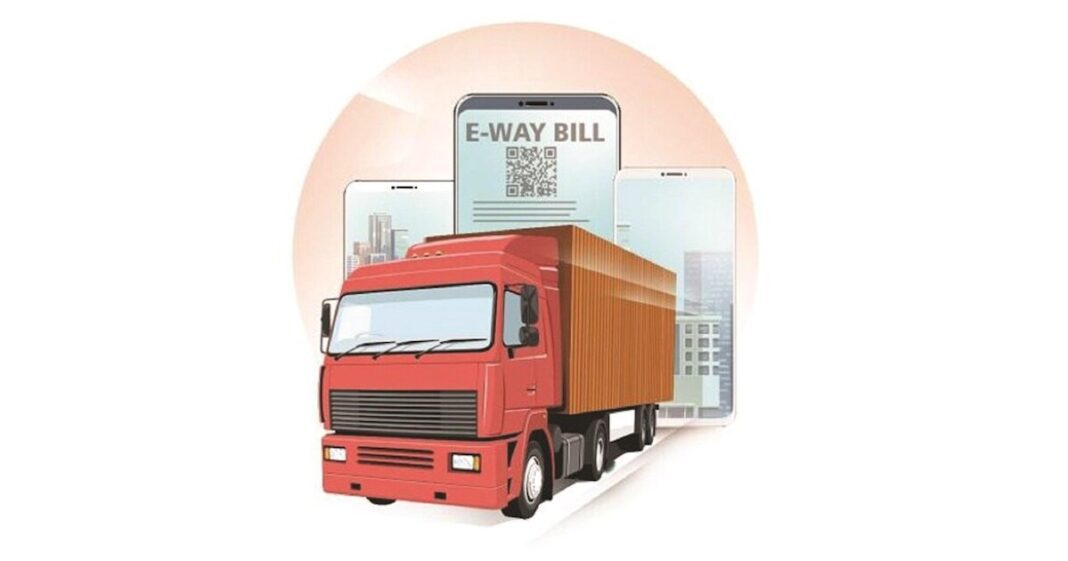
Signaling a “hectic” close to the financial year, India’s e-way bill generation surged to an all-time high of 140.6 million in March 2026. This represents a 13% year-on-year increase and marks the highest monthly volume since the GST regime was introduced in 2017.
The record-breaking figure surpassed the previous peak of 138.39 million set in December 2025, reflecting both buoyant year-end commercial activity and a significant deepening of tax compliance.
1. The March “Spike”: Drivers of Growth
The 6% sequential rise from February’s 132.59 million was driven by a combination of seasonal business cycles and strategic shifts in the supply chain.
- Year-End Dispatches: Companies traditionally clear out inventories and push final dispatches in March to meet annual sales targets and close financial books.
- Inventory Rationalization: Amidst global geopolitical uncertainties (including the recent West Asia conflict), many firms engaged in “contingency stocking” of raw materials and finished goods to hedge against potential supply chain disruptions.
- GST Rate Rationalization: Experts point to the September 2025 GST rate cuts as a long-term catalyst that has boosted demand for goods, which have now become cheaper for the end consumer.
2. A “Mixed Signal” for the Economy
While the e-way bill numbers are a positive headline, analysts caution that they may not be a pure proxy for organic economic growth.
- Compliance-Led Growth: Much of the surge is attributed to stricter enforcement and the government’s push for tech integration (e-invoicing and real-time GSTN tracking). This has brought more informal transactions into the formal tax net—a phenomenon some call “compliance-led inflation” of data.
- Manufacturing Contrast: Interestingly, the record e-way bills come despite a Manufacturing PMI dip to 53.9 in March (a 4-year low). This divergence suggests that while factory output growth slowed due to rising costs, the movement of already-produced goods across state lines remained hyper-active.
3. Key Metrics: March 2026 Breakdown
| Metric | February 2026 | March 2026 | Change (%) |
| Total E-way Bills | 132.59 Million | 140.60 Million | ↑ 6.04% (MoM) |
| Growth (YoY) | 18.8% | ~13% | High Base Effect |
| Net GST Revenue | ₹1.73 Lakh Cr | ₹1.78 Lakh Cr | ↑ 8.2% (YoY) |
4. Impact on April GST Collections
Historically, a surge in March e-way bills acts as a leading indicator for record GST collections in April.
- The ₹2 Trillion Target: With 140.6 million permits generated, economists expect April 2026 GST collections to potentially challenge or exceed the ₹2.10 lakh crore mark, providing a strong start to the FY27 fiscal year.
- Import Dominance: A notable trend in March was the 17.8% jump in GST on imports, suggesting that international trade is currently a larger contributor to tax buoyancy than domestic spending alone.
5. Regulatory Changes (Effective April 1, 2026)
To further streamline this volume, the government has introduced new rules for the new fiscal year:
- New Invoice Series: Every business must start a fresh document series for invoices and e-way bills starting April 1 to avoid reconciliation errors in GSTR-1.
- Lower E-Invoicing Threshold: E-invoicing has become mandatory for businesses with an annual turnover exceeding ₹5 crore in FY26, further automating the generation of these electronic permits.
“We are seeing a ‘hectic’ year-end movement of goods,” noted a senior tax partner at EY India. “While some of this is panic demand due to global tensions, the underlying trend shows a highly resilient consumption-led demand across the country.”