
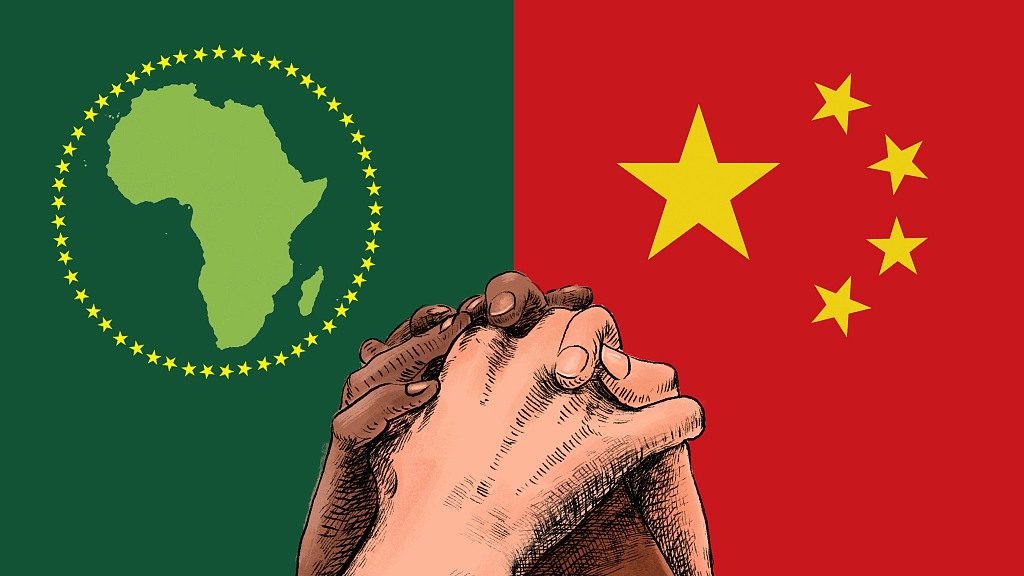
In a strategic “checkmate” against global trade barriers, Chinese President Xi Jinping announced on February 14, 2026, that China will grant zero-tariff treatment to 53 African nations. Speaking via a congratulatory message to the African Union (AU) Summit in Addis Ababa, Ethiopia, Xi confirmed that the policy will take effect on May 1, 2026.
This decision expands Beijing’s preferential trade regime from its previous focus on “Least Developed Countries” (LDCs) to nearly the entire continent, reinforcing China’s position as Africa’s largest and most influential trading partner.
The Scope: 100% Tariff Lines and One Outlier
The policy covers 100% of tariff lines, meaning virtually all African exports—from agricultural products to manufactured goods—will enter the Chinese market duty-free.
| Policy Detail | Specification |
| Effective Date | May 1, 2026 |
| Coverage | 100% of products (all tariff lines) |
| Included Nations | 53 African countries with diplomatic ties to Beijing |
| Excluded Nation | Eswatini (due to its diplomatic relations with Taiwan) |
| Estimated Revenue Sacrifice | $1.4 Billion annually (foregone by China) |
Strategic Drivers: Geopolitics and Supply Chains
The timing and scale of this announcement are deeply intertwined with the shifting global economic landscape of 2026.
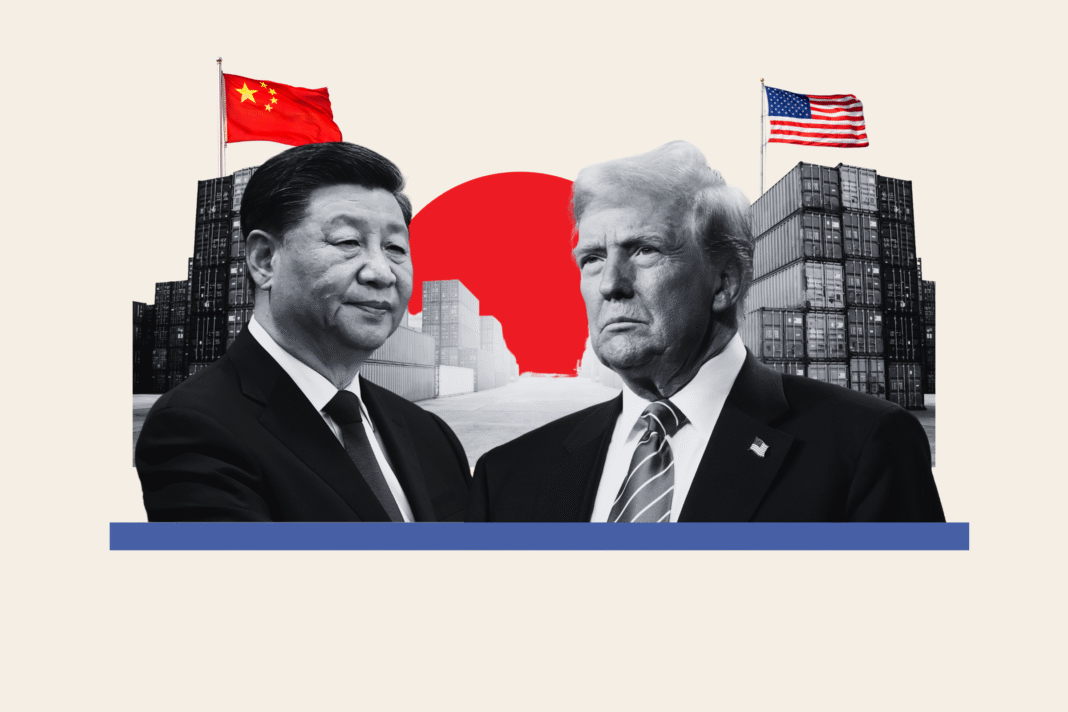
- Countering “Trump Tariffs”: As the U.S. administration maintains steep global tariffs, many African nations have sought to diversify their trade. Xi explicitly stated that this deal provides “new opportunities for African development” without the “lectures” often associated with Western trade programs.
- Securing Critical Minerals: The move streamlines the flow of essential resources—such as cobalt, lithium, and copper—from the DRC and Zambia. By removing duties, China secures a more cost-effective supply chain for its massive electric vehicle (EV) and battery industries.
- The “Green Channel” for Agriculture: To address the existing trade deficit ($59.5 billion in early 2025), China is upgrading “green channels” to fast-track inspections for African agricultural goods like Ethiopian coffee, Kenyan avocados, and South African wine.
Addressing the Trade Imbalance
Despite the zero-tariff status, economists caution that a “gap” remains. In 2025, Chinese exports to Africa surged by 24.7%, while imports from Africa grew by only 2.3%.
Rebalancing Strategies for 2026:
- Industrial Relocation: China is incentivizing its domestic firms to move light manufacturing to Africa. This allows goods to be processed locally and exported back to China duty-free.
- Special Economic Zones (SEZs): New investment is being channeled into SEZs focused on value-added processing rather than just raw material extraction.
- Infrastructure Synergy: The move complements the Belt and Road Initiative, leveraging new railways and ports to move duty-free goods more efficiently.
“Xi is cutting through the red tape. He is saying, ‘You want to develop? Sell to us. No taxes, no lectures.’ It is a seductive offer.” — Dr. Samuel Mburu, Trade Economist.