

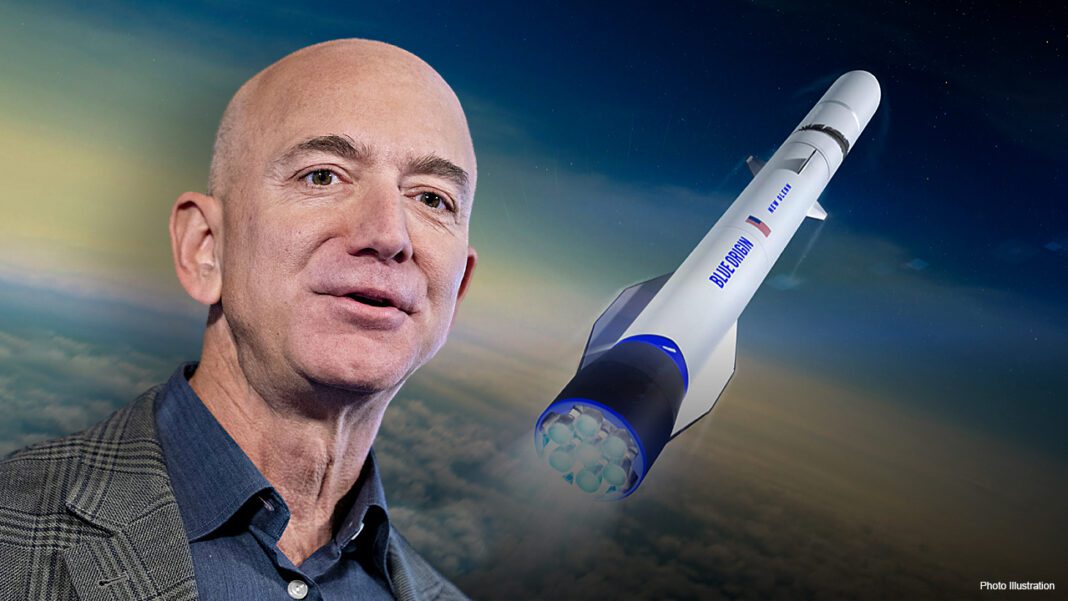
On Sunday, April 19, 2026, Blue Origin achieved a historic milestone by successfully launching and recovering a reused New Glenn first-stage booster for the first time.
The achievement makes Blue Origin only the second entity in history, after SpaceX, capable of vertically recovering and reusing orbital-class boosters at sea.
The NG-3 Mission: “Never Tell Me The Odds”
The mission, designated NG-3, utilized the 29-story booster core nicknamed “Never Tell Me The Odds” (a nod to Han Solo from Star Wars).
- The Flight Path: The rocket lifted off at 7:25 a.m. EDT from Launch Complex 36 at Cape Canaveral Space Force Station, Florida.
- The Recovery: Roughly 9 minutes and 30 seconds after liftoff, the booster successfully touched down on the droneship Jacklyn in the Atlantic Ocean.
- Booster History: This specific booster previously flew on the NG-2 mission in November 2025, which sent NASA’s ESCAPADE probes toward Mars.
Technical Details of the Reuse
While the booster structure was reused, Blue Origin took a cautious approach for this first-ever “reflight”:
- New Engines: All seven BE-4 engines were replaced for this flight. CEO Dave Limp noted that the company plans to reuse engines on future flights once more data is gathered.
- Upgrades: The booster featured several modifications, including a new thermal protection system tested on one of the engine nozzles.
- Design Goal: New Glenn boosters are designed to be flown up to 25 times each.
Payload Anomaly: A Bittersweet Victory
While the booster reuse was a technical triumph, the mission’s primary objective—delivering the BlueBird 7 satellite for AST SpaceMobile—faced a significant setback.
- Off-Nominal Orbit: Blue Origin confirmed that the satellite was deployed into an orbit that was too low to sustain operations.
- De-orbit Plan: AST SpaceMobile later confirmed that the satellite, despite powering on, would likely be de-orbited as its onboard thrusters cannot compensate for the low altitude.
- FAA Investigation: The Federal Aviation Administration (FAA) has grounded New Glenn pending an investigation into the upper-stage performance issue that led to the orbital discrepancy.
Competitive Impact
The successful recovery of an orbital booster is a strategic win for Jeff Bezos’s space ambitions. It positions Blue Origin as a viable competitor to SpaceX’s Falcon 9 for high-frequency, heavy-lift launches. Blue Origin aims to conduct 8 to 12 New Glenn flights in 2026 to clear its massive backlog, which includes Amazon’s Project Kuiper and NASA’s Artemis lunar lander program.