
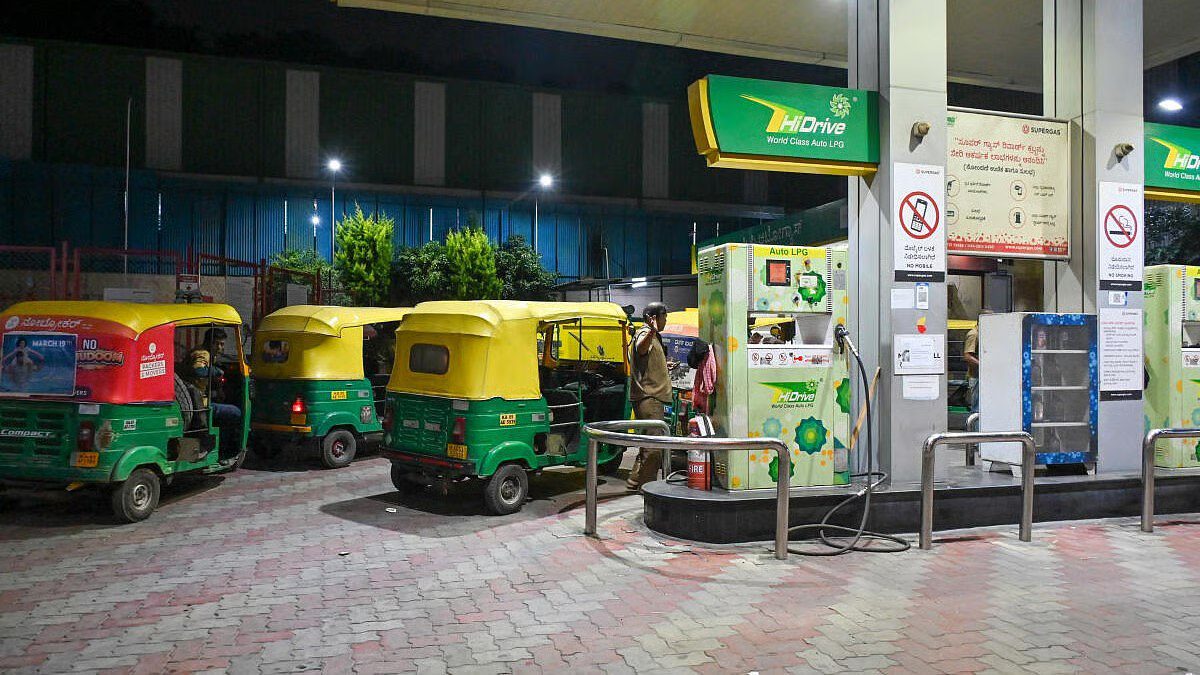
In another blow to the transport sector, Auto LPG (AutoGas) prices have been hiked significantly across India. While the exact revision varies by city, reports from major hubs like Kolkata indicate a sharp increase of up to ₹12.28 per litre, bringing the fuel to a record high of ₹82.96 per litre.
This marks the fourth price revision in less than 30 days, reflecting a total surge of over ₹25 per litre since the West Asia conflict escalated in late February.
1. New Auto LPG Rates (April 2, 2026)
With the latest hike, Auto LPG has reached its most expensive level in history, surpassing the previous May 2022 records.
| City | New Price (approx.) | Increase |
| Kolkata | ₹82.96/L | ↑ ₹12.28 |
| Mumbai | ₹81.65/L | ↑ ₹11.78 |
| Delhi | ₹78.50/L | ↑ ₹11.50 |
| Chennai | ₹76.39/L | ↑ ₹11.78 |
2. Why Prices are Skyrocketing
The hike is driven by a “perfect storm” of international supply disruptions and currency weakness:
- Strait of Hormuz Blockade: Roughly 60% of India’s LPG is imported, mostly via the Persian Gulf. The naval blockade has caused massive delays in tanker movements, creating a physical shortage in domestic “AutoGas” dispensing stations.
- Saudi Contract Price (CP): The international benchmark for LPG surged by 44% for April delivery, jumping from $542 to $780 per metric tonne.
- Prioritization Shift: To shield households from cooking gas shortages, the government has diverted a larger share of domestic LPG production to the 14.2 kg (domestic) segment, leaving the “deregulated” Auto LPG and Commercial segments to bear the full brunt of global price spikes.
3. Impact on Public Transport
The hike has triggered a crisis for the estimated 1.5 million LPG-powered three-wheelers and taxis across India.
- Fare Hikes: In Kolkata, auto-rickshaw unions have already begun defying official mandates, raising fares by ₹2 per stage on several routes.
- The “Five-Passenger” Demand: Unions are now issuing ultimatums to local governments, demanding either a formal 30% fare revision or permission to carry five passengers (instead of the legal four) to offset the ₹25/L fuel increase seen this month.
- Operational Shutdowns: Many drivers report that after paying daily vehicle rentals and the new fuel costs, their “take-home” earnings have dropped to near zero, leading to scattered strikes and reduced vehicle frequency on the roads.
4. Auto LPG vs. CNG: The Cost Gap Widens
For years, Auto LPG was considered a cost-effective and “greener” alternative to petrol. However, the 2026 energy crisis has severely impacted its value proposition.
- Conversion Reversal: While converting a vehicle to LPG remains cheaper (₹18,000–₹25,000) than CNG (₹45,000+), the running cost of LPG has now surpassed CNG in most North and West Indian cities where CNG infrastructure is mature.
- Supply Stability: Unlike LPG, which is heavily import-dependent, a larger portion of India’s CNG is sourced from domestic gas fields, making its price slightly more stable (though still rising) during the current conflict.