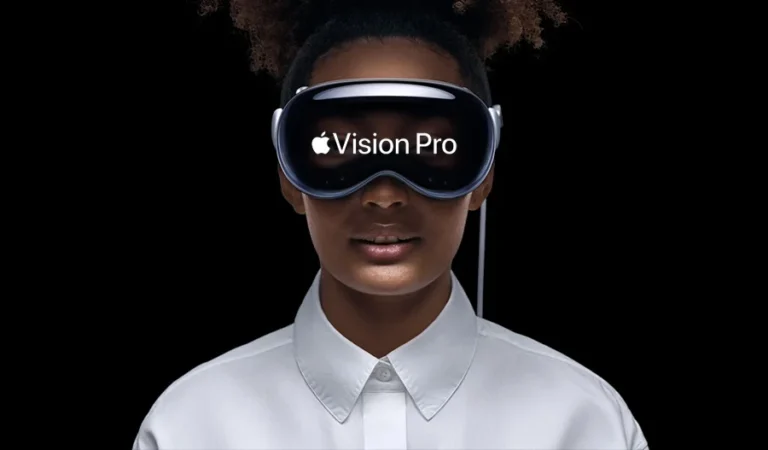
According to industry supply-chain sources, Apple slashes Vision Pro production after weaker-than-expected consumer interest during its first year on the market. Manufacturing volumes have reportedly been reduced as Apple reassesses demand and inventory levels.
Despite strong initial curiosity, sales momentum slowed after early adopters made their purchases.
Why Vision Pro Sales Are Struggling
Several factors explain why Apple slashes Vision Pro production so soon after launch.
High Price Remains the Biggest Barrier
The Vision Pro launched with a premium price far above most consumer headsets. While the technology impressed reviewers, many buyers found it difficult to justify the cost for limited daily use.
Limited Everyday Use Cases
Vision Pro excels at immersive media, productivity demos, and spatial experiences, but many consumers still see it as:
- Too heavy for long sessions
- Isolated compared to phones or laptops
- Lacking must-have apps
Without a strong app ecosystem, repeat usage has remained low.
What Apple Slashing Vision Pro Production Means
Strategic Pause, Not a Retreat
Although Apple slashes Vision Pro production, analysts say this does not mean Apple is abandoning mixed reality. Instead, the company is likely:
- Controlling costs
- Reducing unsold inventory
- Gathering real-world user feedback
Apple has a history of refining products quietly before releasing improved versions.
Focus Shifts to Future Models
Reports suggest Apple is working on:
- A lighter headset
- A lower-priced Vision model
- Improved battery life and comfort
The production cut may allow Apple to redirect resources toward these next-generation devices.
Apple’s Mixed Reality Vision Still Alive
Apple introduced Vision Pro as the start of a long-term platform, not a one-off gadget. Even as Apple slashes Vision Pro production, the company continues investing in:
- visionOS software updates
- Developer tools
- Spatial computing apps
Executives have previously stated that mixed reality is a multi-year journey, similar to the early days of the Apple Watch.
Market Impact and Industry Reaction
Apple’s move has sent a clear message to the tech industry: even Apple is not immune to market realities. Competitors may slow their own high-end headset plans or refocus on affordability and comfort.
The broader mixed-reality market is now expected to prioritize:
- Lower prices
- Practical use cases
- Lightweight designs
What Happens Next for Vision Pro?
In the coming months, attention will be on:
- Software updates that add new use cases
- Developer adoption of visionOS
- Signs of a cheaper or redesigned model
If Apple succeeds in addressing these issues, Vision Pro could still evolve into a mainstream computing platform.
Conclusion
The decision that Apple slashes Vision Pro production marks a rare moment where innovation alone was not enough to drive mass adoption. While Vision Pro remains a technological achievement, its future now depends on affordability, comfort, and real-world usefulness.
Apple’s next steps will determine whether mixed reality becomes the next iPhone-level success — or remains a niche experiment.