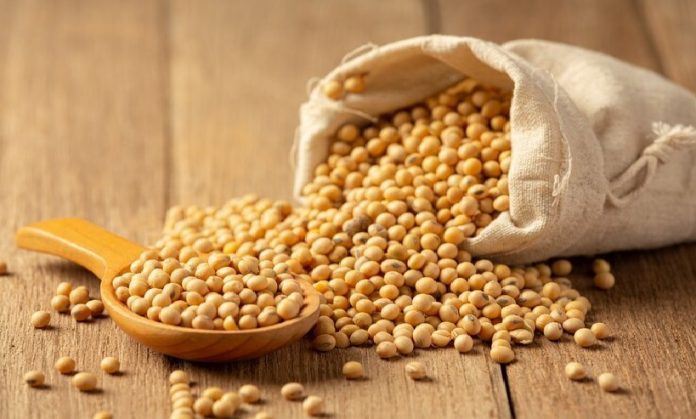


In a rare market disruption that has upended traditional agricultural trade flows, Indian traders have cancelled approximately 25,000 metric tonnes of soymeal export contracts. Simultaneously, domestic crushers have aggressively booked 80,000 tonnes of soybean imports from African nations.
The abrupt pivot—marking India’s first major soymeal contract cancellations (washouts) since 2021—comes on the heels of a massive 41% surge in domestic soybean prices over the past month. The rally has effectively priced Indian agricultural exports out of the international market and forced the South Asian nation to heavily depend on foreign oilseeds.
The Mathematical Imbalance: India vs. South America
The rapid escalation of domestic prices caught traders off guard, rendering unfulfilled export commitments financially unviable. Because domestic soybean production took a hit due to severe late-season weather anomalies, local processing costs skyrocketed:
- Domestic Soymeal Price: Surged 41% in 30 days to hit ₹66,000 per metric tonne—the highest structural pricing tier seen in four years.
- Indian Export Offers: Ballooned to $695 per metric tonne Free On Board (FOB) for June-loading shipments, up from $475 just a month ago.
- The Global Benchmark Competitor: South American suppliers are actively offering equivalent soymeal shipments at $430 per metric tonne.
Faced with a stark $265 per tonne premium over international benchmarks, Indian sellers and global buyers mutually agreed to cancel contracts for May and June deliveries without standard financial penalties, as absorbing the loss was impossible for local crushers.
Chasing Non-GM Beans: The Premium African Pipeline
To cope with tightening domestic stockpiles, which are expected to remain severely constrained until the next harvest cycle arrives in September and October, Indian processors are scaling up imports.
However, India’s strict agricultural regulatory framework prohibits the import of genetically modified (GM) seeds, completely blocking access to cheap, abundant supplies from major producers like the United States, Brazil, and Argentina. Instead, Indian buying houses have been forced to source non-GM soybeans from a select handful of African nations, including Benin, Togo, Nigeria, and Niger.
Taking advantage of India’s regulatory constraints, African exporters have successfully commanded a massive premium. Indian crushers purchased African soybeans this month at $700 to $760 per tonne on a Cost, Insurance, and Freight (CIF) basis for June and July arrivals.
A Four-Year Low for Soymeal Shipments
While India is traditionally the world’s largest importer of vegetable oils (such as palm and sunflower oil), it typically enjoys a healthy surplus of non-GM soymeal, which it exports to premium markets like Bangladesh, Nepal, Germany, and the Netherlands.
However, industry analysts now predict that India’s total soymeal exports for the 2025/26 marketing year (ending in September) will collapse to just 900,000 tonnes, down from 2.02 million tonnes the previous year. Concurrently, aggregate Indian soybean imports are projected to hit a historic record of 800,000 tonnes by the end of the season—a staggering jump from the nominal 2,000 tonnes imported during the previous fiscal cycle.
Impact on Global and Domestic Supply Chains
The unexpected retreat of Indian suppliers will allow major North and South American exporters to rapidly step in and capture dominant market shares across Southeast Asian feed markets.
Domestically, despite the aggressive import pipeline, raw crop scarcity is keeping local prices exceptionally firm. The domestic poultry and animal feed industries are already bracing for a sustained period of high operating costs, which agricultural economists warn will likely translate into retail price inflation for poultry, eggs, and dairy products across India over the upcoming quarter.