

For millions of consumers navigating India’s hyperlocal food delivery ecosystems, the rating system is the ultimate shield against a bad meal. If a restaurant delivers cold food, uses poor ingredients, or messes up an order, a scathing 1-star review serves as both a penalty to the merchant and a warning to the community.
However, an eye-opening investigative report has pulled back the curtain on a massive loophole in the platform economy. As it turns out, a bad restaurant never actually has to fix its food or watch its business die. It just needs a new name.
An in-depth analysis by tech publication Entrackr has detailed how single cloud kitchen operators are successfully exploiting onboarding vulnerabilities to stream identical operations under entirely different restaurant storefronts simultaneously, effectively turning the platform’s review architecture completely useless.
The Ghost Mirror: One Kitchen, Five Identities
The investigation caught a single physical kitchen operating up to five distinct storefront identities at the exact same time on the app. To the average user scrolling through their feed in search of variety, these appear to be separate, competing establishments. In reality, the backend logistics tell a deeply deceptive story.
Consider a consumer who orders from a local Chinese storefront, receives a subpar, unhygienic meal, and leaves a well-deserved 1-star warning. The next week, consciously avoiding that specific spot, the consumer spots a fresh listing with a catchy name like “Crispy Crunch Momos”—complete with a flawless, reset rating profile and zero negative history.
They place the order, only for the food to be cooked in the exact same kitchen, by the exact same staff, using the exact same ingredients. The user’s primary consumer protection tool—their review—has effectively been launderd out of existence by a simple cosmetic rebrand.
How the Onboarding Loophole Bypasses Security
The most alarming aspect of this duplicate storefront phenomenon is that it occurs right under the nose of regulatory compliance protocols. To list a food business on any major delivery platform in India, a merchant must provide a valid Food Safety and Standards Authority of India (FSSAI) registration number.
Because the FSSAI number is a completely unique institutional identifier, a basic automated de-duplication check should instantly flag any attempt to register a second, third, or fourth storefront using identical credentials at the same geographical coordinate. Yet, these copycat profiles continue to clear verification and go live simultaneously.
Industry experts point out two troubling possibilities for how this happens:
- Systemic Blind Spots: The onboarding infrastructure lacks the core algorithmic data-matching checks necessary to flag duplicate usage of critical food compliance identifiers.
- Bypassed Safeguards: The validation checks exist but are intentionally bypassed or overlooked at various administrative stages to inflate the overall number of merchant listings on the platform.
The Algorithmic Incentive of a Reputation Reset
The financial motivations for cloud kitchens to multiply their digital identities are directly tied to how delivery algorithms operate. When a kitchen is buried under a wave of negative 1-star reviews, its aggregate rating plummets, causing the platform’s recommendation engine to suppress its organic visibility.
By spinning out a completely fresh, duplicate storefront, the operator accesses a highly lucrative “reputation reset.”
- The negative baggage vanishes instantly.
- The algorithm treats the duplicate storefront as a brand-new merchant, granting it temporary search ranking boosts to help it find its footing.
- The parent kitchen can bid on multiple sponsored or promoted ad slots simultaneously, crowding out honest, single-identity local restaurants by occupying a disproportionate share of the user’s screen.
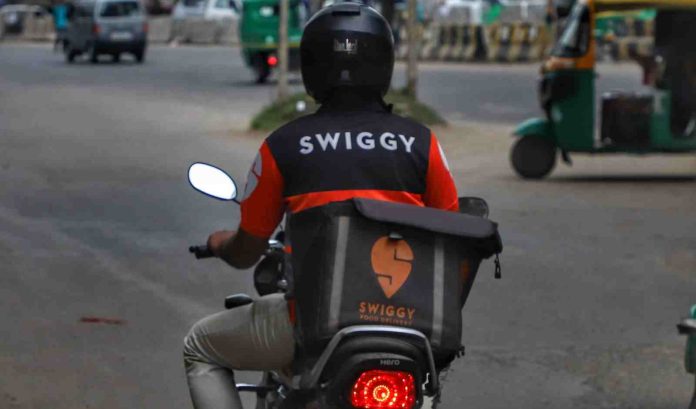
While food aggregators continue to post robust structural volume gains—with Swiggy’s recent financial reports showcasing an impressive 22.6% year-on-year jump in its Food Gross Order Value—this listing vulnerability poses a significant long-term threat to consumer trust. If the gatekeepers of the digital food economy cannot guarantee that different names represent different kitchens, the entire rating framework risks becoming a cosmetic illusion.