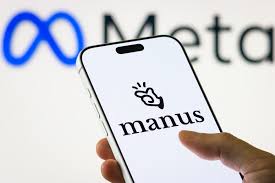


Marking an unprecedented intervention in cross-border artificial intelligence consolidation, Meta Platforms has officially begun the technical and operational dismantling of its $2 billion acquisition of agentic AI startup Manus.
The dramatic reversal follows a strict divestiture directive issued in April by China’s National Development and Reform Commission (NDRC). The Chinese government ordered the transaction completely unwound on national security grounds, ruling that it violated domestic technology export and foreign investment regulations. The development has turned the Meta-Manus transaction into a landmark cautionary tale for cross-border tech deals.
The Operational Split: Erecting the Data Firewall
According to an internal Meta memo, the company has completed an absolute operational ringfencing of the startup to meet the regulatory unwinding timeline.
- Cutting System Access: Meta has officially revoked all access for Manus personnel to Meta’s internal data platforms.
- Sunsetting the Platform: Meta employees have been barred from launching new workflows on Manus tools. Internal teams have been directed to “sunset” the software and migrate all active enterprise projects directly onto Meta’s own localized AI infrastructure.
- The Complexity of Disentanglement: The split is exceptionally complex. Prior to the regulatory blockade, Manus’s autonomous agents had already been integrated into Meta’s core ecosystem, maintaining active plug-in infrastructure within Instagram and Meta Ads Manager.
Inside the “Singapore-Washing” Defiance
Manus—originally founded in Beijing under the parent company Butterfly Effect—shot to global prominence after its autonomous agents went viral, demonstrating an ability to browse the web, write code, and execute multi-step research tasks far outpacing standard chatbots.
To escape tightening Chinese regulatory scrutiny and seamlessly access Western capital, Manus executed a corporate maneuver known in venture capital circles as “Singapore-washing.” In mid-2025, the startup re-domiciled its headquarters and core engineering staff to Singapore, shutting down its mainland China offices entirely.
                          THE MANUS REVERSIBILITY TIMELINE (2025-2026)
  ┌──────────────────────────────┐
  │ Mid-2025: "Singapore-Washing"│ ──► Relocates HQ to Singapore to escape Beijing's reach.
  └──────────────┬───────────────┘
                 │
                 ▼
  ┌──────────────────────────────┐
  │ Dec 2025: Meta Acquisition   │ ──► Meta buys the viral agentic startup for $2 Billion.
  └──────────────┬───────────────┘
                 │
                 ▼
  ┌──────────────────────────────┐
  │ March 2026: Founders Trapped │ ──► China places exit bans on founders Xiao Hong and Ji Yichao.
  └──────────────┬───────────────┘
                 │
                 ▼
  ┌──────────────────────────────┐
  │ April 2026: NDRC Order       │ ──► Beijing orders deal unwound; cites tech export violations.
  └──────────────┬───────────────┘
                 │
                 ▼
  ┌──────────────────────────────┐
  │ June 2026: Operational Split │ ──► Meta cuts data sharing, firewalling Manus from its stack.
  └──────────────────────────────┘
However, the NDRC flatly rejected this jurisdictional shield, asserting that the underlying IP and core engineering talent originated on Chinese soil. The probe sharply escalated when Chinese authorities placed indefinite travel exit bans on co-founders Xiao Hong and Ji Yichao, keeping them contained on the mainland as leverage to force the unwinding of the deal.
The $1 Billion Buyback Puzzle
To fulfill Beijing’s mandate of restoring the company to its pre-acquisition state, the three founders—Xiao Hong, Ji Yichao, and Zhang Tao—are currently in early-stage discussions to raise approximately $1 billion from external investors to fund a structural corporate buyback.
| Corporate Metric | Original Acquisition Terms | Current Unwinding Status |
| Transaction Value | $2.0 Billion (Closed Dec 2025) | Undergoing operational divestiture |
| Founding Team | Xiao Hong, Ji Yichao, Zhang Tao | Exploring $1B outside capital raise for buyback |
| Early Venture Backers | Benchmark (US), Tencent, ZhenFund, HSG | Already paid out; face complex equity clawbacks |
| Target Corporate Pivot | Total integration into Meta AI | Reconstituting as a independent Chinese Joint Venture |
| Long-Term Roadmap | Native Meta Ads implementation | Prospective Hong Kong IPO listing |
The financial mechanics of the reversal are causing severe friction for corporate lawyers. Because tier-1 institutional backers like Tencent, ZhenFund, and US-based Benchmark had already received their cash payouts from Meta when the deal closed, clawing back those distributed funds to reorganize Manus as an independent entity introduces a massive legal gridlock.
Clear Warning to Cross-Border AI Deals
The unwinding of the Meta-Manus deal signals that sovereign AI tech is increasingly being treated with the same rigid protectionism historically reserved for advanced semiconductor hardware.
To formalize this tightening grip, Beijing has passed updated outbound investment and national security rules. The expanded framework grants regulators explicit power to intervene, halt, or completely reverse cross-border transactions involving Chinese-origin talent, data, or source code—irrespective of where the target entity chose to incorporate offshore.