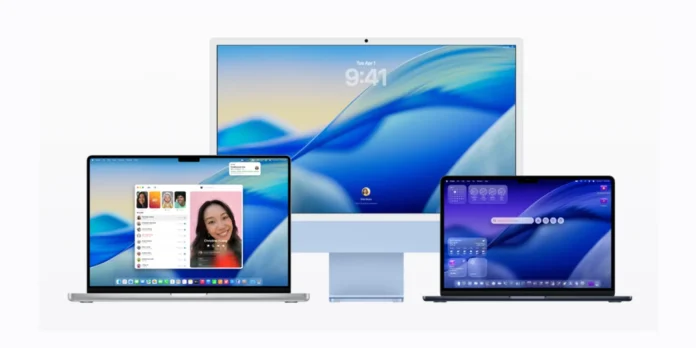


At the WWDC 2026 opening keynote, Apple formally drew a definitive line in the hardware sand by announcing macOS 27 “Golden Gate,” which completely drops support for all remaining Intel-based Macs.
Apple actually gave a heads-up at WWDC 2025 that macOS 26 (Tahoe) would be the final software version to accommodate Intel’s legacy x86 architecture. With macOS 27 Golden Gate, Apple Silicon is now a strict, universal requirement.
The Sunsetted Hardware List
If you are running any of the final Intel-based machines that survived the cut for macOS Tahoe, they will be left at the station when Golden Gate launches this fall. The specific models officially losing support include:
- MacBook Pro (16-inch, 2019)
- MacBook Pro (13-inch, 2020, Four Thunderbolt 3 ports)
- iMac (27-inch, 2020)
- Mac Pro (2019)
Essentially, no Mac manufactured prior to 2020 can run macOS 27. The only non-M-series chip machine allowed into the ecosystem is the niche MacBook Neo, which runs on the iPhone-derived A18 Pro silicon.
Why Apple Is Finally Pulling the Plug
The transition away from Intel architecture has been a slow-moving, six-year bridge since the M1 chip debuted in 2020. Pulling up the drawbridge entirely comes down to two primary engineering motivations:
1. The NPU Requirement for Apple Intelligence
Intel chips lack the hardware Neural Processing Units (NPUs) required to run local, next-generation AI tasks. macOS 27 is heavily reliant on a completely overhauled Siri app infrastructure (featuring multi-step app execution, on-screen awareness, and personal context), alongside an ecosystem-wide push for localized machine learning.
2. Streamlining the Codebase
By cutting out the old x86 architecture entirely, Apple’s software engineering team no longer has to split focus or double-compile software. For example, the newly rebuilt Spotlight search indexer in macOS 27 is significantly faster precisely because it was written exclusively for Apple Silicon’s Neural Engine, free of any legacy x86 architectural bloat.
What Happens If You Still Own an Intel Mac?
Don’t panic—your computer isn’t going to turn into a brick overnight.
- Extended Security Support: Apple has a solid track record here and plans to continue providing critical security patches and maintenance fixes for macOS Tahoe through 2028.
- The App Compatibility Clock: While your OS will stay secure for a while, the real pressure will likely come from third-party developers. Now that Apple has made a clean break, software creators will inevitably begin deprecating Intel support and requiring macOS 27 for their latest app updates.
It was a hell of a 21-year run for the Apple-Intel partnership since Steve Jobs first announced the switch from PowerPC back in 2005. But as of today, the Mac is natively and entirely an ARM-based ecosystem.